6.7
Thirty Seconds Over Tokyo
1944 · Movie · War · Drama
Acting
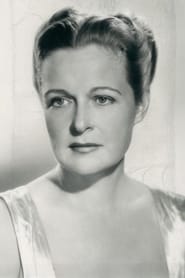
From Wikipedia, the free encyclopedia Selena Royle (November 6, 1904 – April 23, 1983) was an American actress (of stage, radio, television and film), and later, an author. Royle was born in New York City to playwright Edwin Milton Royle and actress Selena Fetter (April 12, 1860 - May 10, 1955). She had an older sister, Josephine Fetter Royle (1901–1992). Her mother recounted in a newspaper article that she used to take Selena along with her to her rehearsals and performances. One night, then seven-year-old Selena went missing. While the mother frantically searched for her, holding up act two, the audience became restless. The youngster finally turned up - she had gone on stage dressed in her mother's second-act costume; she made a bow, much to the audience's amusement. She later remarked, "And that is the first time I was ever on stage, and I liked it so well I stayed." Her father wrote the 1921 Broadway play Lancelot and Elaine to provide both her and sister Josephine with their first professional roles, as Guinevere and Elaine respectively. Eventually, she landed a part on her own in the 1923 Theatre Guild production of Peer Gynt, with Joseph Schildkraut, and became a respected Broadway actress. She made one film in the 1930s, Misleading Lady, but otherwise worked on the stage and on radio. Royle began her radio career in 1926 or 1927 and performed "almost continuously since", according to a 1939 newspaper item. Her body of work includes playing the title role in Hilda Hope, M.D. She also played Martha Jackson in Woman of Courage, Mrs. Allen in Against the Storm, Joan in The O'Neills, and Mrs. Gardner in Betty and Bob, and appeared in Kate Hopkins. In the 1940s, she returned to film and had a successful run, mainly playing maternal characters such as the bereaved mother of The Fighting Sullivans (1944), mother to Jane Powell in the big screen adaptation of A Date with Judy (1948) and the title character's mother opposite Ingrid Bergman as Joan of Arc (1948). She made several appearances on early television. However, in 1951, when she refused to testify before the House Un-American Activities Committee. She sued the American Legion, which had published Red Channels, in which her name was listed, and won but her acting career ended. She made only three more roles, the last being Murder Is My Beat (1955). She also wrote several books, including Guadalajara: as I Know It, Live It, Love It (which went through several editions) and a couple of cookbooks, and some magazine articles. She was the "radio editor" of the short-lived New York periodical Swank.
1944 · Movie · War · Drama
1949 · Movie · Drama · Romance
1986 · Movie · Horror · Sci-Fi
1948 · Movie · Drama · History
1974 · Movie · Documentary · Family
1946 · Movie · Music · Western
1946 · Movie · Drama · Music
1951 · Movie · Thriller · Crime
1943 · Movie · Comedy · Romance
1948 · Movie · Music · Comedy
1946 · Movie · Drama · Romance
1950 · Movie · Crime · Drama
1946 · Movie · Family · Adventure
1949 · Movie · Comedy · Music
1945 · Movie · Drama · Crime
1950 · Movie · Western
1947 · Movie · Comedy · Drama
1953 · Movie · Sci-Fi · Horror
1947 · Movie · Drama · Romance
1951 · Movie · Drama
1949 · Movie · Music · Drama
1948 · Movie · Drama
1948 · Movie · Drama · Romance
1946 · Movie · Drama
1955 · Movie · Mystery · Crime
1944 · Movie · Drama · Romance
1948 · Movie · Music
1946 · Movie · Comedy · Music
1944 · Movie · Drama · History
1950 · Movie · Comedy
1945 · Movie · Adventure · Drama
1948 · Movie · Music
1932 · Movie · Comedy · Romance
1946 · Movie · History · Drama
1949 · Movie · Drama